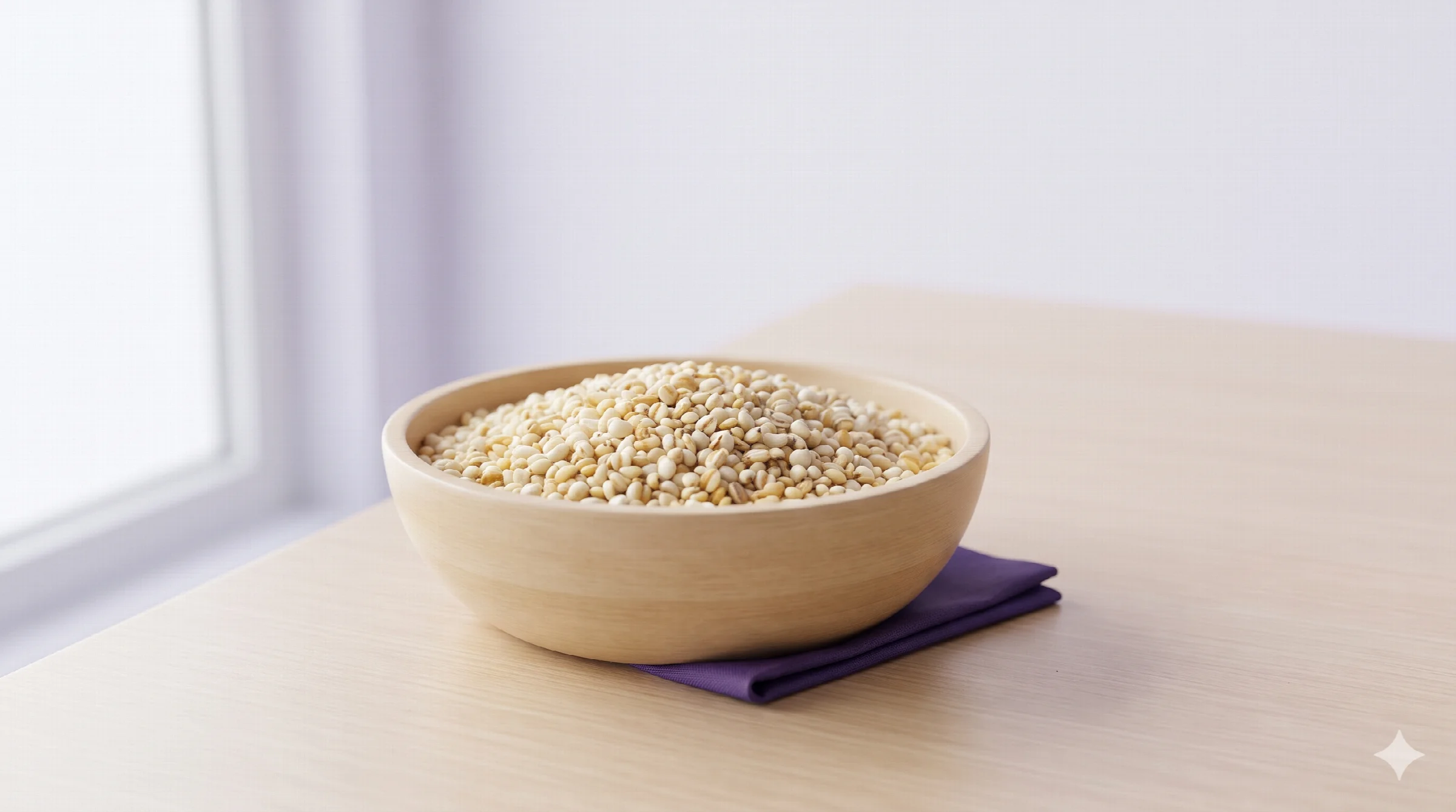
Protein for Fertility: Dal, Kathol, Curd and Everyday Gujarati Foods for Couples in Jamnagar
Protein matters for both partners while trying to conceive, and a Gujarati kitchen already has plenty of it in dal, kathol, sprouts, curd, chaas and paneer. This guide for couples in Jamnagar and nearby towns explains simple ways to add protein to each meal, what to be careful with, and when to ask your doctor before changing your diet.
 Samarth IVF team
10 min read
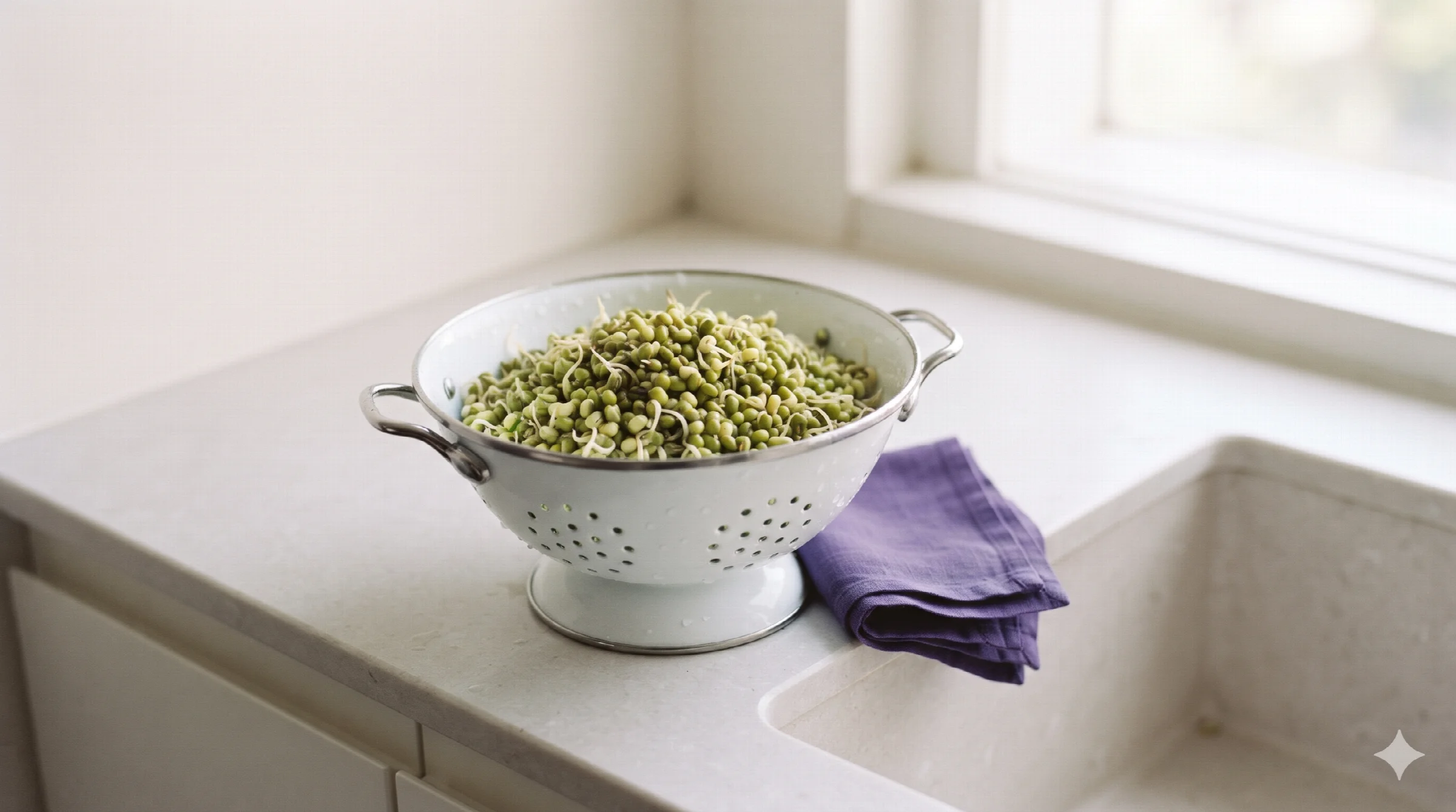
Ask most couples what they should eat while trying for a baby and they will mention fruit, milk or "something strengthening". Protein is often forgotten, even though it is one of the building blocks the body uses every day. Getting enough protein for fertility does not need special products. A Gujarati kitchen already has plenty of it, in dal, kathol, sprouts, curd, chaas, paneer and, for some families, eggs, fish or chicken. This guide is for couples in Jamnagar, Khambhalia, Dwarka, Porbandar and nearby towns who want simple, practical ways to build a balanced plate.
The Short Answer
What to Know
- Protein helps the body repair and build tissues and make hormones, so it matters for both partners.
- Many Gujarati meals are rich in carbohydrates and lighter on protein, so small additions help.
- Dal, kathol, sprouts, curd, chaas, paneer, nuts and seeds are good everyday sources.
- No single food fixes fertility. A balanced plate supports overall health while you try.
- Ask your doctor before starting protein powders or if you have kidney, liver or other health conditions.
ગુજરાતીમાં ટૂંકમાં: દાળ, કઠોળ, ફણગાવેલા મગ, દહીં, છાશ અને પનીર જેવા રોજના ખોરાકમાંથી પ્રોટીન મળે છે. દરેક ભોજનમાં થોડું પ્રોટીન ઉમેરવું પતિ અને પત્ની બંને માટે મદદરૂપ છે. કોઈ પાવડર કે સપ્લિમેન્ટ ડૉક્ટરને પૂછ્યા વિના શરૂ ન કરો.
मराठीत थोडक्यात: डाळ, कडधान्ये, मोड आलेले मूग, दही, ताक आणि पनीर यांतून रोजच्या जेवणात प्रथिने मिळतात. प्रत्येक जेवणात थोडी प्रथिने जोडणे दोघांसाठी उपयुक्त आहे. डॉक्टरांना विचारल्याशिवाय कोणतीही पावडर सुरू करू नका.
हिंदी में संक्षेप: दाल, साबुत दालें, अंकुरित मूंग, दही, छाछ और पनीर से रोज़ के खाने में प्रोटीन मिलता है। हर भोजन में थोड़ा प्रोटीन जोड़ना पति-पत्नी दोनों के लिए मददगार है। डॉक्टर से पूछे बिना कोई पाउडर शुरू न करें।
Protein for Fertility at a Glance
| Question | Short answer |
|---|---|
| What this covers | Why protein matters for both partners, everyday Gujarati sources and simple ways to add it to meals |
| Centre address | Samarth IVF, Siddhi Vinayak Hospital, Opp. Income Tax Office, Pandit Nehru Road, behind K D Jewelers, Jamnagar 361008 |
| OPD | Mon-Sat, 11:00 AM - 4:00 PM |
| Helpline | +91 951 239 4852 |
| Areas served | Jamnagar City, Khambhalia, Kalavad, Dwarka, Dhrol, Lalpur and the Porbandar area |
| Services listed on the centre page | Fertility counselling, follicular monitoring, semen analysis, IUI, IVF, ICSI, laparoscopy, hysteroscopy and other fertility care |
| First step | A consultation for both partners, where you can ask about diet alongside tests |
Timings and services can change, so please confirm by phone before visiting. Please also call to confirm which tests are done at the centre and which can be brought from a laboratory of your choice.
Why Protein Matters While Trying to Conceive
Protein is used by the body to build and repair cells, make enzymes and hormones, and keep muscles strong. For women, a balanced diet with enough protein supports overall health before pregnancy. For men, a balanced diet supports general health, which matters for sperm too, as our guide on improving male fertility naturally explains.
Protein also helps you feel full for longer, which can make it easier to avoid frequent snacking on fried or sweet foods. This is useful for couples working on weight, as described in our guide on losing weight before trying to conceive. Women with PCOS may find our PCOS diet guide helpful too.
Protein is one part of a good diet, not the whole of it. Vegetables, fruit, whole grains such as millets, healthy fats, iron, folic acid and enough water all matter.
Everyday Protein Sources in a Gujarati Kitchen
| Food | How it is often eaten | Easy ways to use it more |
|---|---|---|
| Toor, moong and masoor dal | Gujarati dal with rice | Make the dal a little thicker, and have a full bowl rather than a few spoons |
| Kathol (whole moong, chana, chori, vaal, rajma) | Usal or sabzi on some days | Cook kathol a few times a week, or add boiled chana to salads |
| Sprouted moong and matki | Occasional snack | Add sprouts to poha, chilla or a morning bowl with lemon and onion |
| Besan | Kadhi, dhokla, khaman, chilla | Choose steamed dhokla or besan chilla over fried farsan |
| Curd and chaas | With lunch | Keep a bowl of curd or a glass of chaas with one meal daily |
| Paneer | Special-occasion sabzi | Add small cubes to sabzi, paratha filling or a quick bhurji |
| Milk | Tea or at bedtime | A glass of milk or a bowl of curd can replace a sweet snack |
| Peanuts, sesame and other nuts and seeds | Chikki, chutney | A small handful of roasted peanuts instead of fried namkeen |
| Eggs, fish or chicken (for families who eat them) | Varies | Cooked well, with less oil, as part of a balanced meal |
If your family is vegetarian, our vegetarian IVF diet guide has more ideas. Vegetarian diets can also be low in some vitamins, so read our guide on vitamins and fertility and ask your doctor whether a test is needed.
Simple Protein Swaps Through the Day
This table is a practical way to start. You do not need to change everything at once. Pick one row this week.
| Meal | A common plate | A small protein add |
|---|---|---|
| Breakfast | Tea with khakhra, thepla or biscuits | Add curd with the thepla, or switch to a moong chilla or sprouts bowl |
| Mid-morning | Fried namkeen | Roasted chana or a handful of peanuts |
| Lunch | Rotli, shaak, a little dal, rice | A fuller bowl of dal or kathol, plus curd or chaas |
| Evening | Farsan with tea | Steamed dhokla, roasted makhana or a small bowl of sprouts |
| Dinner | Khichdi or rotli with shaak | Khichdi with more moong dal, and kadhi or curd on the side |
For eating out, our guide on street food while trying to conceive explains how to choose more safely.
What Helps and What Does Not
What tends to help
- A source of protein with most meals, spread through the day
- Home-cooked dal, kathol and sprouts several times a week
- Pairing pulses with whole grains, such as dal with rotli or khichdi with moong
- Curd or chaas in place of sugary drinks
- Cooking with less oil and fewer fried snacks
- Planning meals together as a couple, so both partners eat the same way
What does not help
- Starting protein powders or gym products without asking your doctor (see gym supplements and sperm health)
- Very high-protein crash diets that cut out whole food groups
- Relying on fried farsan or sweets as a main meal
- Long fasts during treatment without advice (read fasting during IVF)
- Believing that one "special" food will fix fertility. The evidence on diet is often mixed, as our guide on what the research supports explains
A Note for Women
Many women in India also have low iron, which can leave them tired. Pulses, green leafy vegetables and some grains provide iron as well as protein. Our guide on anaemia, iron and fertility explains more. Folic acid is usually advised before pregnancy, as described in our guide on folic acid and fertility vitamins. Please take vitamins only as your doctor advises.
Choosing Your Approach
Option A: Small changes at home Most couples do well by adding a little protein to each meal using familiar foods. This is simple, low cost and easy to keep up.
Option B: Diet advice as part of your fertility plan If you have PCOS, diabetes, thyroid problems, kidney problems, very low or high weight, or a restricted diet, ask your doctor for diet advice that suits your health. Some people need a more specific plan.
Coming from Rajkot, Porbandar and Gandhidham
Couples travel to the Jamnagar centre from across Saurashtra and Kutch. Our town pages have local details:
On travel days, carrying roasted chana, a thepla roll with curd or some fruit can help you avoid long gaps without food.
Worth Remembering
- Protein matters for both partners, not only for the woman.
- A Gujarati kitchen already has many good sources.
- Small additions to each meal work better than big sudden changes.
- Diet supports health, but no food can promise a pregnancy.
- Ask your doctor before starting powders or supplements.
Myths and Facts
| Myth | Fact |
|---|---|
| Vegetarians cannot get enough protein | Dal, kathol, sprouts, curd, paneer, nuts and seeds can provide plenty when eaten regularly |
| Protein is only for people who go to the gym | Everyone needs protein every day, including couples trying to conceive |
| More protein powder means better fertility | Powders are not needed by most people, and some gym products can harm sperm. Ask your doctor first |
| Only the woman needs to change her diet | Both partners benefit from a balanced diet while trying to conceive |
| One special food can fix fertility | No single food can do that. A balanced diet supports overall health |
Warning signs: please speak to a doctor if you notice
- Ongoing tiredness, breathlessness or pale skin, which may suggest low iron
- Sudden or unexplained weight loss or weight gain
- Swelling of the feet or face, or a big change in how often you pass urine
- Stomach pain, vomiting or diarrhoea that does not settle after a food change
Please do not start or stop any medicine on your own.
When to Speak to Your Doctor
Please speak to your doctor if:
- You have kidney, liver, thyroid or sugar problems and want to change your diet
- You are thinking of starting protein powders, gym products or other supplements
- You follow a strict diet or fast often for religious or personal reasons
- You have been trying to conceive for a while without a pregnancy
- You want help building a diet plan alongside fertility tests
You can visit the Samarth IVF centre in Jamnagar, call the helpline on +91 951 239 4852, or reach us through the contact page. Our fertility diagnosis and testing page explains how couples are assessed.
"Good food for fertility is often already in your kitchen. It just needs a fuller bowl of dal."
Frequently Asked Questions
Why is protein important for fertility? Protein helps the body build and repair cells and make hormones. A balanced diet with enough protein supports overall health for both partners while trying to conceive.
Can a vegetarian Gujarati diet give enough protein? Yes, when pulses, kathol, sprouts, curd, paneer, nuts and seeds are eaten regularly. Many vegetarian plates simply need a fuller portion of dal or kathol.
Should I take a protein powder while trying to conceive? Most people do not need one. Please ask your doctor before starting any powder or gym product, as some may not suit you.
Do men need to eat more protein too? Men benefit from a balanced diet just as women do. Protein is one part of that, along with vegetables, fruit, whole grains and healthy habits.
Is eating eggs or chicken necessary for fertility? No. Families who eat them can include them as part of a balanced diet. Vegetarian sources can meet protein needs well.
Is too much protein harmful? Very high-protein diets are not needed and may not suit people with some health conditions, such as kidney problems. Ask your doctor what suits you.
Which Gujarati snacks have more protein? Roasted chana, peanuts, sprouts, steamed dhokla, besan chilla and makhana are good choices compared with fried farsan.
Can I get diet advice at the Jamnagar centre? You can ask about diet during your consultation at the Jamnagar centre. Please call the helpline on +91 951 239 4852 to plan your visit.
This article is for general education only and is not a substitute for a medical consultation. Suitability and response to any treatment vary between individuals.