

Egg quality is the most important determinant of fertility, the outcome of IVF, and miscarriage risk. Egg quality is primarily determined by the age of the egg at the time it was produced by the ovary.
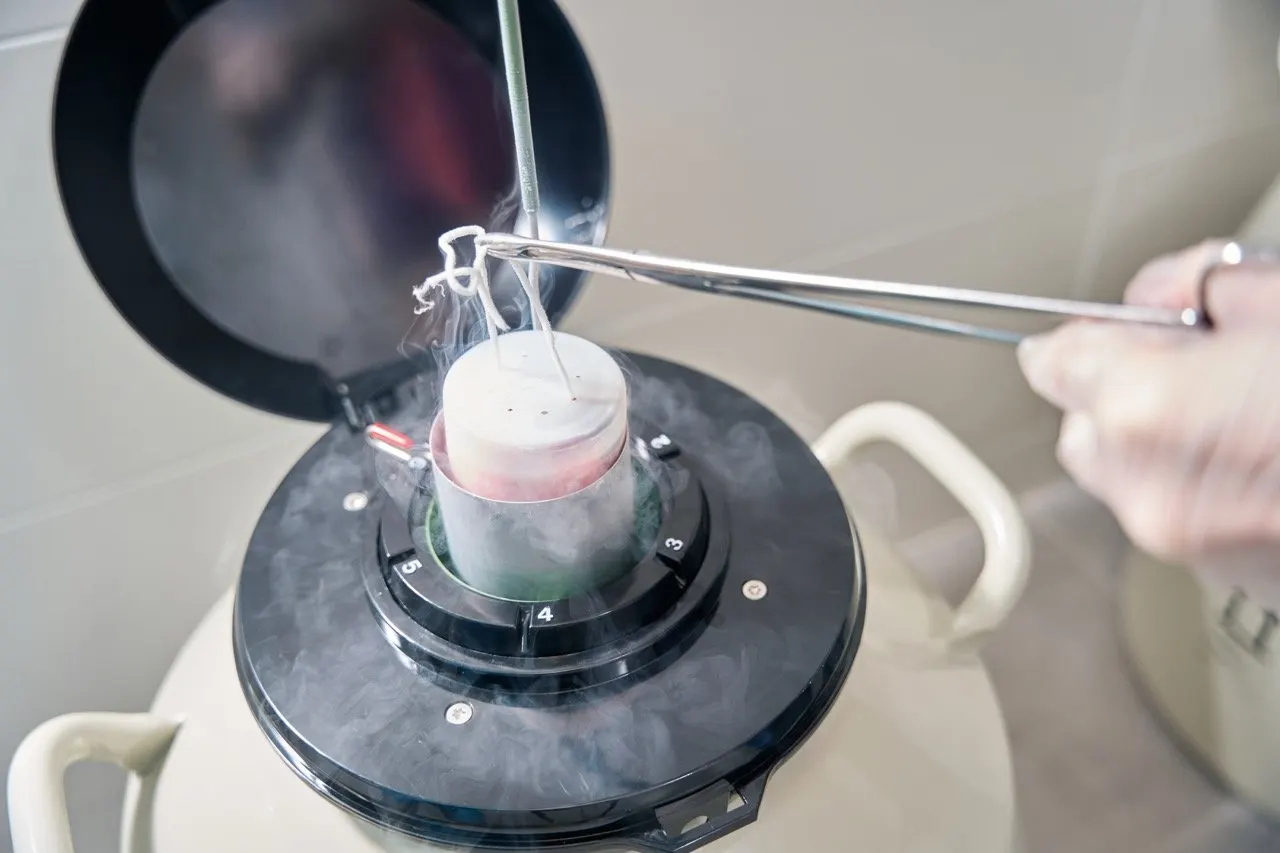
Eggs frozen at age 30 retain the chromosomal quality of age 30 eggs when thawed and used years later. This is the fundamental biological rationale for fertility preservation: freezing eggs at a younger age preserves that younger egg quality for future use, regardless of when the person is ready to attempt pregnancy.


Social Fertility Preservation: Egg Freezing to Delay Parenthood
Social fertility preservation, also called elective egg freezing, refers to egg freezing by healthy women who wish to delay parenthood for personal, professional, or relationship reasons without a specific medical indication. It is the fastest-growing indication for egg freezing globally and is increasingly chosen by women in their late 20s and early 30s who are not yet ready for parenthood but want to protect their future options.
The Biological Rationale
The biological rationale is clear and compelling. Eggs frozen at age 30 retain the chromosomal quality and developmental potential of age 30 eggs. If those frozen eggs are used at age 38, the pregnancy rates and miscarriage rates will reflect the quality of age 30 eggs, not age 38 eggs.
Social egg freezing is therefore most effective when done early, ideally before age 35 and optimally between ages 28 and 33, when ovarian reserve is still high and egg quality is good.