

Magnification
Standard ICSI uses 200 to 400 times magnification. IMSI uses 6,000 times magnification, providing approximately 15 to 20 times greater resolution of the sperm head.
We'd like to use cookies to count visits and to see which ads bring people to us. Nothing is set unless you accept. You can change this at any time from “Cookie settings” at the bottom of the page. Privacy policy
Ultra-High Magnification Selection
IMSI (Intracytoplasmic Morphologically Selected Sperm Injection) is an advanced form of ICSI that uses ultra-high magnification of up to 6,000 times to examine and select sperm based on detailed internal structural criteria before injection into the egg. At standard ICSI magnification of 200 to 400 times, subtle but clinically important sperm head abnormalities including nuclear vacuoles are invisible. IMSI identifies these defects and selects only sperm with a normal internal architecture, producing better-quality embryos, higher implantation rates, and lower miscarriage rates in specifically indicated patients. Samarth IVF offers IMSI at main centres across India for patients who stand to benefit most from this advanced technology.
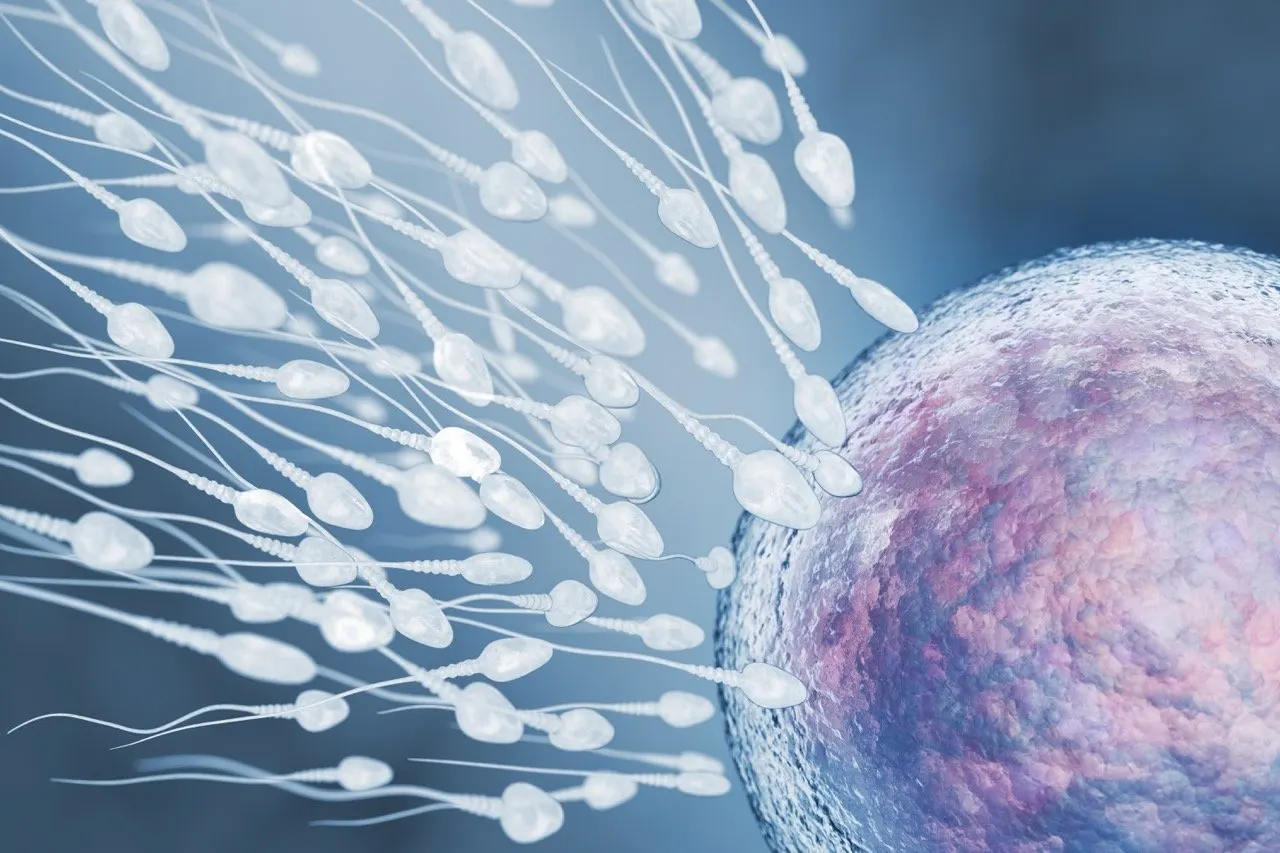
IMSI stands for Intracytoplasmic Morphologically Selected Sperm Injection. It is an advanced laboratory technique that builds on standard ICSI by performing sperm selection at dramatically higher magnification before injection.
In standard ICSI, the embryologist selects sperm at 200 to 400 times magnification using an inverted microscope. At this magnification, the general outline, movement, and approximate head shape of sperm can be assessed, but the internal structure of the sperm head cannot be evaluated in detail.
Standard ICSI uses 200 to 400 times magnification. IMSI uses 6,000 times magnification, providing approximately 15 to 20 times greater resolution of the sperm head.
Nomarski DIC optics create high-contrast images of unstained, live sperm, revealing the internal nuclear architecture without any chemical treatment that could harm the sperm.
Real-time digital imaging systems allow the embryologist to examine and compare multiple sperm on screen before making the final selection for injection.
Sperm are classified using standardised MSOME morphological criteria that define normal and abnormal nuclear architecture. Sperm with large nuclear vacuoles are excluded.
Both IMSI and ICSI involve injecting a single sperm into each egg. The fundamental difference is the depth of sperm evaluation performed before that selection is made.
| Factor | Standard ICSI | IMSI |
|---|---|---|
| Magnification | 200 to 400 times | 6,000 times (15 to 20x higher) |
| Sperm head internal structure | Not visible | Fully visible including nuclear vacuoles |
| Nuclear vacuole exclusion | Not possible | Yes: vacuolated sperm excluded |
| Sperm selection time | Faster (minutes) | Longer (30 to 60 minutes for selection) |
| Additional cost | Standard ICSI cost | Marginally higher |
| Suited for | Routine male factor infertility | High DNA fragmentation, repeated IVF failure, severe teratospermia, recurrent miscarriage |
Nuclear vacuoles are the most clinically significant abnormality identified by IMSI that cannot be detected at standard ICSI magnification. They appear as dark, cavity-like structures within the sperm nucleus (the head of the sperm containing the genetic material).
While small vacuoles of limited size are considered normal, large vacuoles are strongly associated with critical issues that cause IVF cycles to fail. By identifying and excluding sperm with large nuclear vacuoles before injection, IMSI avoids injecting genetically compromised sperm into eggs, giving the resulting embryo a better developmental foundation from the outset.
Research has established a significant correlation between large nuclear vacuoles and elevated sperm DNA fragmentation. However, the relationship is not absolute: some sperm with vacuoles have normal DNA, and some sperm without visible vacuoles have DNA damage. This is why IMSI and sperm DNA fragmentation testing are complementary rather than interchangeable.
For patients with high DNA fragmentation, IMSI provides additional morphological selection beyond what standard ICSI can achieve. Some studies also show that testicular sperm (retrieved via TESA) has lower DNA fragmentation than ejaculated sperm from the same patient, and combining TESA with IMSI may further improve outcomes in selected cases.
IMSI is not indicated for all IVF patients. It requires additional embryologist time, specialised equipment, and marginally higher cost. It is recommended in situations where improving sperm selection quality is most likely to make a meaningful clinical difference.
When the DNA Fragmentation Index (DFI) is above 25 to 30 percent, IMSI provides an additional layer of morphological selection to complement the molecular finding. Selecting sperm with the best nuclear architecture reduces the probability of injecting high-fragmentation sperm.
Two or more failed IVF-ICSI cycles with apparently good-quality embryos, particularly when embryo development was poor or arrest occurred after fertilisation. IMSI may identify and exclude sperm with nuclear abnormalities that contributed to poor embryo quality.
Multiple pregnancy losses associated with male factor infertility, poor embryo quality, or unexplained causes. Nuclear vacuoles are associated with early embryo loss. IMSI reduces this risk in the male factor contribution to miscarriage.
When the proportion of normal-form sperm is extremely low (below 1 to 2 percent by Kruger strict criteria), IMSI helps identify the best-structured sperm available within a severely abnormal population.
When previous ICSI cycles produced consistently low fertilisation rates, poor embryo grading, or high developmental arrest rates despite apparently normal female factors.
A severe morphological disorder where sperm lack the acrosome entirely (round-headed sperm). Specific IMSI selection criteria apply and injection technique modifications are required.
IMSI adds time and marginal cost without a proportionate benefit in these cases. At Samarth IVF, IMSI is recommended selectively based on clinical indication, not offered as an add-on to all patients.
The IMSI procedure is highly technical and requires immense skill from our embryologists. Here is how the process is executed at Samarth IVF.
IMSI is discussed and planned during the pre-IVF consultation. If IMSI is indicated, the couple is counselled on why it is recommended, what additional benefit it may provide, the process, and the associated cost. All relevant investigations including semen analysis, sperm DNA fragmentation testing, and previous cycle records are reviewed before confirming the IMSI recommendation.
The male partner provides a semen sample by masturbation on the same morning as the female partner’s egg retrieval, after 2 to 5 days of abstinence. The sample is processed using density gradient centrifugation to concentrate and wash the sperm. The prepared sperm is then assessed under the IMSI system.
The embryologist places a drop of the prepared sperm sample on the IMSI stage and examines individual sperm at 6,000 times magnification using the Nomarski DIC optical system. Each sperm is evaluated for:
Nuclear shape: oval, symmetric, without deformity
Nuclear vacuoles: number, size, and position (vacuoles > 4% of nuclear area excluded)
Chromatin density: even, homogeneous density throughout the nucleus
Acrosome: present and of normal proportion
Midpiece: normal, without angulation or cytoplasmic droplets
Tail: normal length and structure
Only sperm that meet all MSOME morphological criteria for a normal nucleus are selected for injection. The selection process takes approximately 30 to 60 minutes. The selected sperm are then injected into each mature egg using the standard ICSI microinjection technique.
After IMSI injection, embryo development is monitored daily in the embryology laboratory exactly as in a standard ICSI cycle. Fertilisation check on Day 1, cleavage assessment on Days 2 and 3, and blastocyst assessment on Days 5 and 6. In patients undergoing IMSI for repeated failure or high DNA fragmentation, the embryologist pays particular attention to embryo developmental quality and documents findings for cycle review.
The clinical evidence for IMSI shows consistent benefits in specifically indicated patient groups. The most robust evidence supports IMSI in patients with high sperm DNA fragmentation, repeated IVF-ICSI failure, recurrent miscarriage, and severe teratospermia.
studies consistently show improved fertilisation rates with IMSI compared to standard ICSI in patients with severe morphological abnormalities.
IMSI-selected sperm produce embryos with higher morphological grades, lower arrest rates, and higher blastocyst development rates.
some studies report benefit in carefully selected patients when IMSI is used.
particularly in couples with recurrent pregnancy loss associated with male factor, IMSI reduces early embryo loss by improving the genetic foundation of the embryo.
by selecting sperm with better nuclear architecture, IMSI reduces the probability of injecting genetically compromised sperm, though it does not eliminate DNA fragmentation entirely.
IMSI is available at Samarth IVF main centres with MSOME-capable inverted microscopy systems and trained embryologists experienced in high-magnification sperm selection. Patients at all 13 centres across India can be referred and coordinated for IMSI cycles at the nearest fully equipped main centre.
IMSI selects sperm at 6,000x magnification using Nomarski DIC optics, revealing nuclear vacuoles and internal sperm architecture invisible at standard ICSI magnification of 200 to 400 times. Only sperm meeting MSOME normal nuclear criteria are injected into eggs.
Nuclear vacuoles are cavity-like structures in the sperm nucleus associated with DNA strand breaks, abnormal chromatin, reduced fertilisation, poor embryo quality, and higher miscarriage rates. They are only visible at IMSI magnification and are excluded from selection.
IMSI is recommended for high DNA fragmentation, repeated IVF or ICSI failure with poor embryo quality, recurrent miscarriage, severe teratospermia, and poor embryo development in previous cycles. Standard ICSI is sufficient for normal sperm parameters.
In indicated patients, IMSI improves fertilisation rates, embryo quality, implantation rates, and reduces miscarriage rates. Some studies have reported benefit in carefully selected patients.
Yes. IMSI uses the same injection technique as ICSI. The additional procedure is performed on the sperm only. No chemical treatment or additional egg manipulation is involved. Follow-up studies show no increase in congenital abnormalities.
Yes. IMSI selects sperm at the nuclear morphology level and PGT-A screens blastocysts at the chromosomal level. Together they address both sperm quality and embryo chromosomal normality.
Yes, particularly with male factor contribution. Nuclear vacuoles are associated with sperm DNA damage and early pregnancy loss. Multiple studies report lower miscarriage rates when IMSI is used in couples with recurrent pregnancy loss compared to standard ICSI.
Address modifiable causes first: smoking cessation, weight loss, infection treatment, varicocele repair, and antioxidant supplementation. IMSI then selects the best nuclear architecture. If fragmentation remains very high, testicular sperm (TESA) often has lower fragmentation and is used with IMSI.
IMSI sperm selection takes 30 to 60 minutes longer than standard ICSI due to the detailed examination of each sperm at high magnification. Eggs tolerate the additional waiting time without detriment.
IMSI is available at Samarth IVF main centres with MSOME-capable microscopy and trained embryologists. Patients at all 14 centres across India can be coordinated for IMSI cycles at the nearest fully equipped main centre.
Speak with our specialists — they will explain your options in plain language.
Wishing you and your family light, health and happiness this Diwali. — Samarth IVF