Food to Eat After IUI: A Simple Indian Diet Guide for the Waiting Days
After an IUI, many women are told to eat certain foods and avoid others to help the pregnancy happen. This guide explains food to eat after IUI in plain words: simple Indian meals for the waiting days, foods to limit, common food myths such as papaya, pineapple and "hot" foods, and why no single food can make an IUI work.
 Samarth IVF team
9 min read
After an IUI, the waiting days can feel long, and advice often arrives from every direction. One relative says to eat dry fruits for strength, another says to avoid papaya and pineapple, and someone else says to stop everything "hot". Many women end up worried about every meal. The truth is simple and reassuring: there is no special food that makes an IUI work, and no ordinary home-cooked meal that makes it fail. Food to eat after IUI is simply a healthy, balanced Indian diet that supports your body in case a pregnancy begins. This guide explains what to eat, what to limit and which food myths you can let go of.
The Short Answer
What to Know
- No single food can make an IUI work or cause it to fail.
- A balanced diet of grains, dal and protein, vegetables, fruits, milk products and healthy fats supports your body during the waiting days.
- Keep taking any vitamins or medicines your doctor prescribed, especially folic acid.
- Limit alcohol, tobacco, too much tea or coffee, very sugary foods and unsafe street food.
- Common beliefs about papaya, pineapple and "hot" foods are mostly myths when foods are eaten in normal amounts. Ask your doctor if unsure.
मराठीत थोडक्यात: आययूआयनंतर कोणताही एक पदार्थ यश किंवा अपयश ठरवत नाही. धान्य, डाळ, भाज्या, फळे, दूध-दही आणि योग्य प्रमाणात तूप असलेला संतुलित आहार पुरेसा आहे. डॉक्टरांनी दिलेली फॉलिक ॲसिडसारखी औषधे घेत राहा. मद्य, तंबाखू आणि जास्त चहा-कॉफी टाळा.
हिंदी में संक्षेप: आईयूआई के बाद कोई एक खाना सफलता या असफलता तय नहीं करता। अनाज, दाल, सब्ज़ियाँ, फल, दूध-दही और सही मात्रा में घी वाला संतुलित खाना काफ़ी है। डॉक्टर की दी हुई फोलिक एसिड जैसी दवाइयाँ लेती रहें। शराब, तंबाकू और ज़्यादा चाय-कॉफ़ी से बचें।
Food to Eat After IUI at a Glance
| Question | Short answer |
|---|---|
| What this covers | Food to eat after IUI, simple Indian meal ideas, foods to limit and common food myths |
| Who it is for | Women who have had an IUI, their partners and families who cook for them |
| The most important message | No food can make an IUI work. A balanced, home-cooked diet is enough |
| A first step | Plan simple, regular meals with a grain, a dal or protein, a vegetable and curd or milk |
| Where to get help | Your fertility doctor or a dietitian, or the Samarth IVF contact page |
What Happens After IUI?
In an IUI, washed and prepared sperm are placed directly into the uterus around ovulation. Fertilisation, if it happens, takes place in the fallopian tube, and the embryo then travels to the uterus to implant. Our guides on the IUI procedure step by step and sperm washing for IUI explain the process.
Whether an IUI works depends mainly on factors such as egg and sperm quality, the health of the tubes and uterus, and the woman's age. Food during the waiting days supports general health, but it does not control these factors. Our guide on why an IUI cycle may not work explains the real reasons.
A Simple Day of Eating After IUI
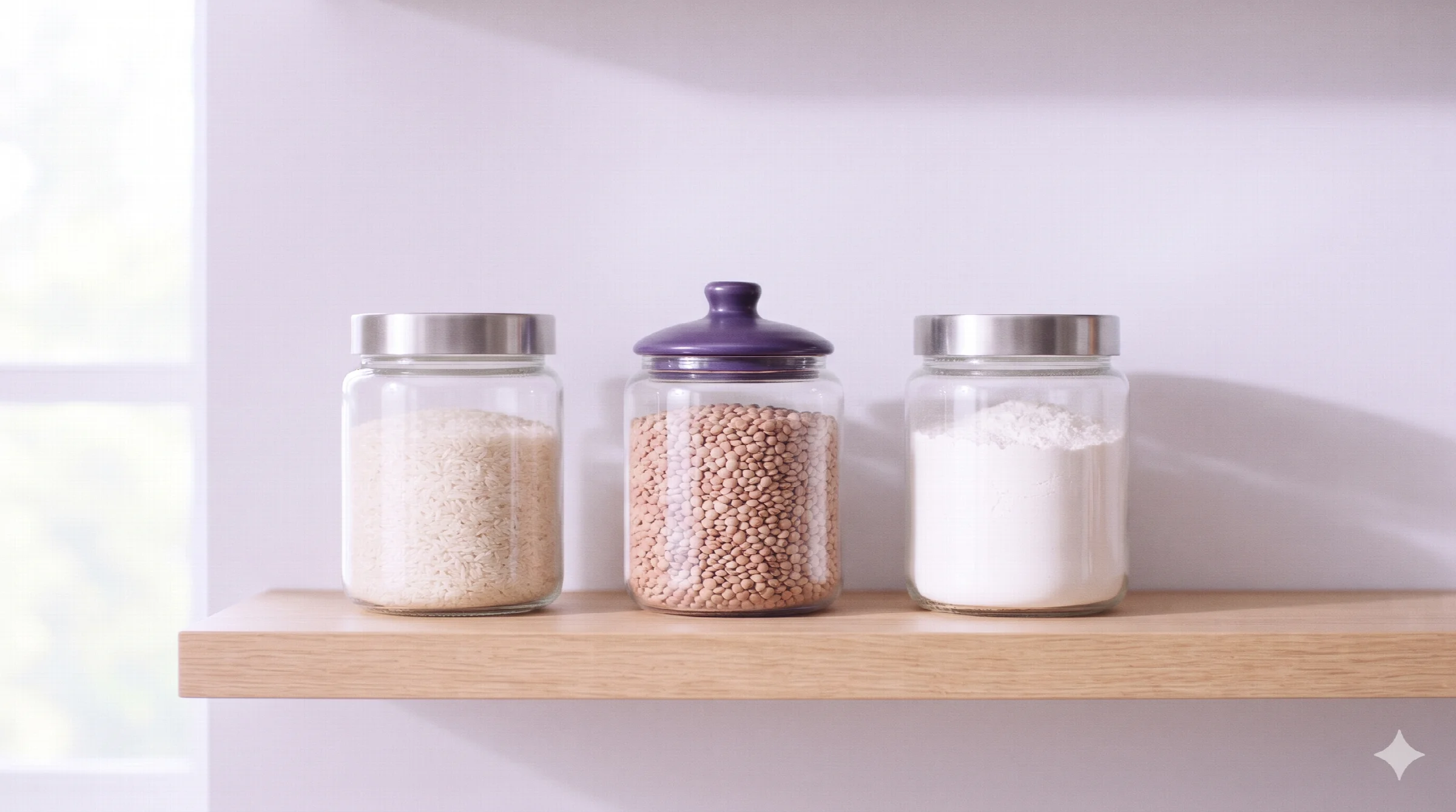
This table is the heart of this guide. It shows simple Indian options for each meal and why they help. Choose what suits your taste, region and budget.
| Meal time | Simple Indian options | Why it helps |
|---|---|---|
| Early morning | Warm water, a few soaked almonds or walnuts, a fruit | Gentle start, healthy fats and fibre |
| Breakfast | Poha with peanuts, vegetable upma, besan chilla, idli with sambar, ragi porridge, or eggs if you eat them | Steady energy from grains and protein |
| Mid-morning | Buttermilk, coconut water, seasonal fruit, roasted chana | Fluids, fibre and a light snack |
| Lunch | Roti or rice, dal or rajma, a green vegetable, salad, curd | A balanced plate with protein, iron and calcium |
| Evening snack | Sprouts cooked lightly, makhana, a small bowl of fruit, a glass of milk | Protein and calcium without heavy frying |
| Dinner | Khichdi, vegetable soup with roti, paneer or tofu with vegetables, or fish or chicken if you eat them | Light, easy to digest, with protein |
| Through the day | Plenty of water, simple home-cooked food, regular meal times | Hydration and steady blood sugar |
Our guides on protein foods, fruits and vegetables, millets and healthy fats and ghee give more ideas. The vegetarian IVF diet and IVF diet by stage guides also suit IUI.
Nutrients to Focus On
- Folate. Keep taking the folic acid your doctor prescribed. Green leafy vegetables, dal and citrus fruits add folate naturally. Our guide on folic acid and fertility vitamins explains why.
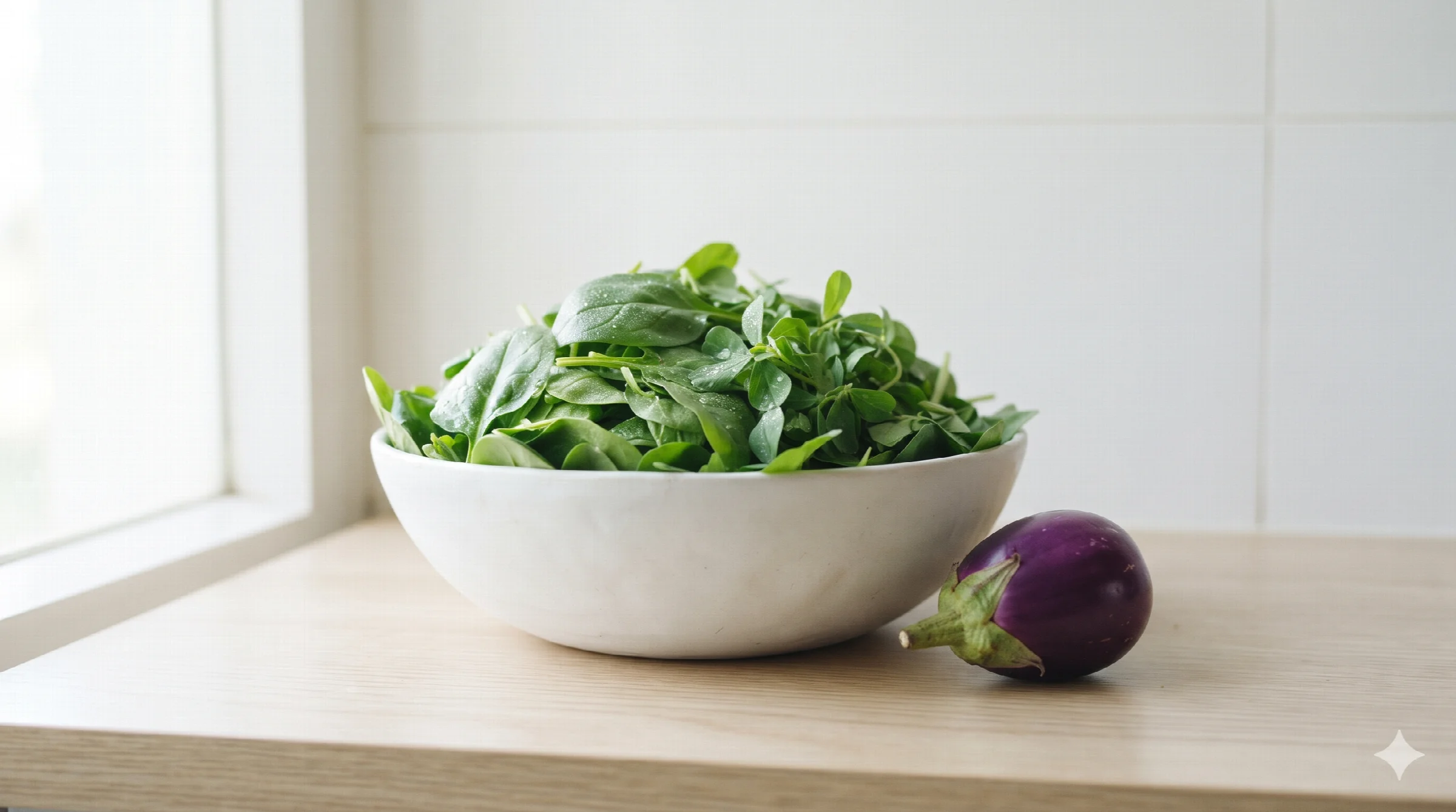
- Iron. Anaemia is common in Indian women. Spinach, methi, dal, jaggery in small amounts and dates help. Our guide on anaemia and iron explains more.
- Protein. Dal, pulses, paneer, curd, soy, eggs, fish and chicken support the body.
- Calcium. Milk, curd, paneer and ragi.
- Fluids and fibre. Water, buttermilk, fruits and vegetables help with bloating and constipation, which some women feel after fertility medicines.
Foods to Limit
- Alcohol and all forms of tobacco
- Too much tea and coffee. Our guide on chai, coffee and fertility explains caffeine
- Raw or undercooked meat, fish and eggs, and unpasteurised milk
- Street food that is not freshly cooked or safely stored. See our guide on eating street food safely
- Very sugary sweets and drinks, and deep-fried snacks in large amounts
- Herbal mixtures and "fertility" powders not checked by your doctor
Food Myths After IUI
Option A: Beliefs you can relax about Ripe fruits in normal amounts, ordinary spices in home cooking, a little ghee, and foods families call "hot" or "cold" are generally fine during the waiting days. No ordinary food has been shown to stop implantation. If you feel unsure about a particular food, ask your doctor rather than cutting out whole food groups.
Option B: Habits that do deserve care Alcohol, smoking, very high caffeine, crash dieting, skipping meals and unchecked herbal products are worth avoiding. These matter more for your health than any single fruit or spice.
Partners and family can help by cooking simple, fresh meals and gently stopping the flood of food rules. Our guide on the two week wait and relaxation techniques for IVF also suit IUI.
Worth Remembering
- No single food can make an IUI work or fail.
- A balanced, home-cooked Indian diet is enough.
- Keep taking your prescribed folic acid and medicines.
- Limit alcohol, tobacco, too much caffeine, sugar and unsafe street food.
- Most food myths about papaya, pineapple and "hot" foods do not apply to normal amounts.
Myths and Facts
| Myth | Fact |
|---|---|
| Eating pineapple core helps implantation | There is no good evidence that pineapple helps implantation |
| Ripe papaya will stop the IUI from working | Ripe fruits in normal amounts are generally fine. Unripe papaya is usually avoided in pregnancy |
| "Hot" foods like eggs or dates harm the embryo | These ideas are traditional beliefs. Normal amounts of these foods are part of a healthy diet |
| Eating lots of dry fruits and ghee helps you get pregnant | Moderate amounts are healthy, but large amounts add weight without extra benefit |
| You must eat only plain food and stop all spices | Normal home cooking with ordinary spices is fine |
Warning signs: please speak to a doctor soon if you notice
- Severe belly pain or pain on one side, especially with dizziness
- Heavy bleeding or fainting
- Fever, chills or bad-smelling discharge
- A swollen belly, breathlessness or vomiting after fertility injections
- Overwhelming anxiety or low mood. Please tell someone you trust or a doctor straight away if you have thoughts of self-harm
Please do not start or stop any medicine on your own.
When to Speak to Your Doctor
Please speak to your fertility doctor or a dietitian if:
- You have diabetes, thyroid problems, PCOS or anaemia and need a meal plan
- You follow a special diet, such as vegan or religious fasting
- You want to take any supplement or herbal product
- You feel very bloated, nauseous or constipated after IUI medicines
- You are unsure when to take a pregnancy test
Our guides on taking a home pregnancy test and IUI versus IVF explain the next steps, and our IUI treatment page explains care at Samarth IVF. If you become pregnant, our guide on the pregnancy diet explains what to eat next. You can find your nearest Samarth IVF centre on our centres page, or reach us through the contact page.
"Simple, home-cooked food made with care is all your body needs while you wait."
Frequently Asked Questions
What should I eat after IUI? A balanced home-cooked diet with grains, dal or other protein, vegetables, fruits, curd or milk and a little healthy fat.
Is there any food that helps IUI work? No single food has been shown to make IUI work. A healthy diet supports your overall health during the wait.
Can I eat papaya after IUI? Ripe fruits in normal amounts are generally fine. Unripe papaya is usually avoided in pregnancy. Ask your doctor if unsure.
Can I drink tea or coffee after IUI? Small amounts are usually fine. Limit them, and ask your doctor what suits you.
Should I eat lots of dry fruits and ghee after IUI? Moderate amounts are healthy. Large amounts do not add extra benefit and may cause weight gain.
Can I eat spicy food after IUI? Normal home cooking with ordinary spices is fine. Avoid very spicy food if it causes acidity.
What foods should I avoid after IUI? Alcohol, tobacco, raw or undercooked foods, unpasteurised milk, unsafe street food and unchecked herbal products.
Should I take supplements after IUI? Take only what your doctor prescribed, such as folic acid. Please do not add supplements on your own.
This article is for general education only and is not a substitute for a medical consultation. Suitability and response to any treatment vary between individuals.